
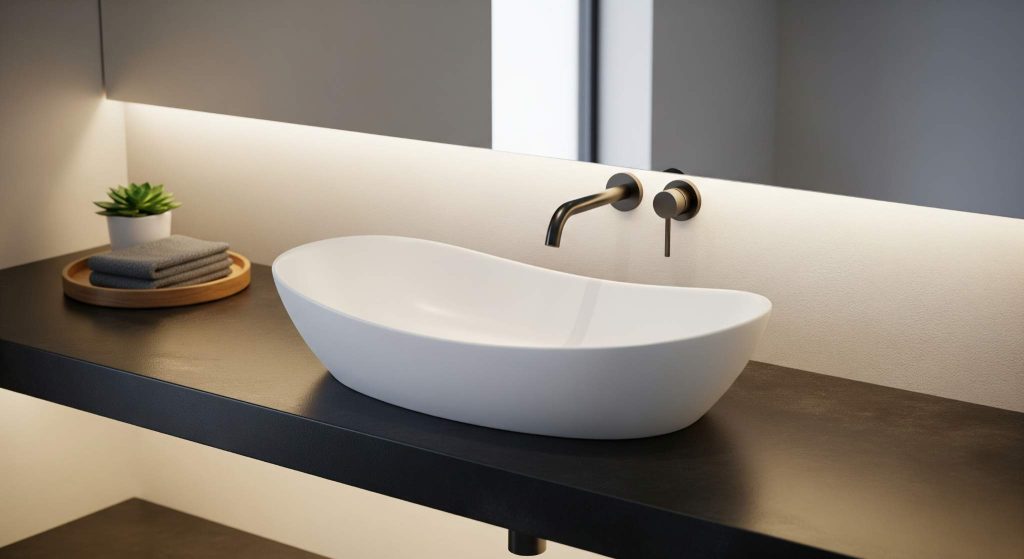

How to Select Small Hand Basins for Toilets in Commercial Buildings
Selecting the right hand basin for a commercial toilet requires careful consideration of space, durability, hygiene, and user convenience. Unlike residential bathrooms, commercial washrooms often experience frequent use throughout the day, making it essential to choose fixtures that can withstand regular cleaning and repeated contact. A well-designed basin should provide comfortable handwashing while fitting efficiently into the available floor plan.
For offices, hotels, restaurants, shopping centers, and other commercial facilities, choosing suitable Small Hand Basins for Toilets can help maximize limited space without compromising functionality or appearance. The right model should complement the building’s interior design, meet relevant plumbing and accessibility requirements, and remain easy to maintain over time. By evaluating a few important factors before purchasing, facility managers and designers can make a more informed decision.
1. Assess the Available Space and Layout
Space planning is one of the first steps when selecting a small hand basin for a commercial building. Washrooms may have limited wall space, narrow passageways, or several fixtures positioned close together. Choosing a basin that is too large can restrict movement and make the room less comfortable to use.
Start by measuring the available installation area, including the width, depth, and permitted projection from the wall. Consider the position of toilets, doors, partitions, mirrors, and other accessories. The basin should fit naturally into the layout without obstructing access or creating unnecessary congestion.
Different installation styles offer different space-saving benefits:
- Wall-mounted basins: Leave the floor beneath the basin open and can simplify floor cleaning.
- Corner basins: Use otherwise unused corners in particularly compact washrooms.
- Compact countertop basins: Work well with appropriately sized counters or vanity units.
- Slim rectangular basins: Suit narrow walls and contemporary commercial interiors.
The most suitable option depends on the room’s dimensions and intended use. A basin for a small office toilet may have different requirements from one installed in a busy restaurant or hotel.
2. Prioritize Durability for Frequent Use
Commercial washbasins may be used dozens or hundreds of times daily, depending on the facility. Materials and construction should therefore be evaluated for their ability to withstand repeated use, regular cleaning, and accidental impacts.
Ceramic and porcelain are common choices because they offer smooth surfaces and are generally straightforward to maintain. Solid-surface materials may provide additional flexibility in shape and finish, while other materials can offer distinctive visual effects.
When comparing products, review the manufacturer’s specifications for surface resistance, cleaning compatibility, structural strength, and expected maintenance. Avoid choosing a basin based solely on appearance or initial purchase price.
The supporting hardware is equally important. Wall-mounted models require suitable fixings and adequate structural support, while countertop basins need a stable, appropriately designed surface.
For busy facilities, selecting a well-made basin with clear installation instructions and an appropriate warranty can help reduce maintenance difficulties over its service life.
3. Choose a Hygienic and Easy-to-Clean Design
Hygiene is a central consideration in commercial washrooms, especially in restaurants, healthcare-related facilities, hospitality venues, and public buildings. Basin design can influence how easily staff clean the fixture and the surrounding area.
Smooth surfaces, accessible bowl shapes, and simple outlines can make routine cleaning more straightforward. Designs with fewer hard-to-reach recesses may also reduce the effort required to remove soap residue, water marks, and everyday dirt.
Wall-mounted basins can be particularly useful because they leave the floor beneath them accessible. This helps cleaning teams reach areas that might otherwise be obstructed by a pedestal or cabinet.
When selecting a basin, consider the following features:
- A smooth, nonporous surface suitable for frequent cleaning.
- A bowl shape that allows staff to reach the interior easily.
- A finish compatible with the cleaning products used at the facility.
- Plumbing connections that can be inspected and maintained.
- A design that minimizes unnecessary crevices and difficult-to-access areas.
Always follow the manufacturer’s cleaning instructions. Harsh chemicals or abrasive tools may damage certain finishes, even when the basin is intended for commercial use.
4. Evaluate Basin Size and Bowl Depth
A basin can be compact without being impractical. The external dimensions determine how much space the fixture occupies, but the internal bowl dimensions affect how comfortable it is to use.
A basin that is too shallow may cause water to splash onto the counter, wall, or floor. A model with insufficient washing space may also be inconvenient for adults who use the facility regularly.
Consider the expected users and frequency of use when evaluating the bowl. A small basin in a low-traffic office toilet may have different requirements from one in a restaurant used by staff and visitors throughout the day.
The faucet must also suit the basin. Its height and reach should direct water into the bowl without making handwashing awkward.
Before ordering, compare the product’s overall width, projection, bowl depth, and faucet compatibility. Product drawings and installation specifications are often more useful than general descriptions such as compact or space-saving.
5. Check Accessibility and User Comfort
Commercial buildings serve people with different physical needs, so washroom planning should account for accessibility and ease of use. A small basin should not obstruct movement or make it difficult for users to approach the washing area.
Depending on the building and jurisdiction, applicable accessibility standards may specify requirements for approach space, mounting height, knee clearance, faucet operation, and protection of exposed plumbing. These requirements should be checked before selecting the basin and finalizing the layout.
In accessible washrooms, simply installing a smaller basin is not enough. The fixture must be positioned so that users can approach and operate it comfortably, with the necessary surrounding space preserved.
Consider whether the basin will be used by employees, customers, children, older adults, or people with mobility limitations. This helps determine which dimensions and installation arrangements are appropriate.
For projects involving public access, consult the relevant building regulations and a qualified design or accessibility professional before installation.
6. Select a Suitable Faucet and Drainage System
The basin and its plumbing components should be treated as a complete system. An appropriately sized basin may still perform poorly if the faucet is unsuitable or the drain is incorrectly configured.
For example, a faucet with excessive reach may direct water toward the edge of a shallow bowl, causing splashing. A faucet that is too short may leave insufficient room for comfortable handwashing.
Commercial facilities may also consider sensor-operated faucets, timed-flow fittings, or other water-efficient options. These can support convenient use and help manage water consumption when selected and maintained correctly. Their suitability depends on the building’s plumbing system, budget, maintenance capabilities, and local requirements.
Drainage is equally important. The waste outlet, trap, and pipework must be compatible with the basin and installed according to the manufacturer’s instructions and applicable plumbing standards.
Before purchasing, confirm:
- Faucet mounting type and dimensions.
- Water supply and pressure requirements.
- Drain outlet size and position.
- Compatibility with existing plumbing.
- Access for future inspection and repairs.
Coordinating these components early can reduce installation delays and prevent avoidable modifications.
7. Consider Water Efficiency and Operating Costs
Water consumption can become a significant operating expense in commercial buildings with high washroom usage. Choosing appropriate water-efficient fittings may help reduce unnecessary consumption without compromising the handwashing experience.
Options may include suitable aerators, flow-regulating faucets, and sensor-operated taps. However, the basin itself must be compatible with the selected faucet, and the complete system should provide an effective flow rate for its intended purpose.
Water efficiency should also be considered alongside maintenance. Sensor-operated systems may require batteries, electrical connections, or periodic servicing, while conventional faucets may have simpler maintenance requirements.
When comparing options, assess the initial purchase price, installation costs, water consumption, replacement parts, and expected maintenance needs. A product with a lower upfront cost may not always provide the best long-term value.
For large projects, comparing operating costs across multiple washrooms can help facility managers make more consistent purchasing decisions.
8. Match the Basin to the Commercial Interior
Commercial washrooms contribute to the overall impression of a building. In hotels, restaurants, offices, and retail environments, the basin should complement the interior design while remaining practical for daily use.
Minimalist rectangular basins often suit modern offices and contemporary commercial spaces. Rounded or oval designs can create a softer appearance, while compact corner models may work well in smaller guest toilets.
Color and finish also influence the result. White ceramic and porcelain basins are versatile options, while selected solid-surface finishes may provide greater design flexibility.
The basin should coordinate with the faucet, mirror, lighting, wall finishes, and other fixtures. However, decorative features should not compromise ease of cleaning or durability.
For buildings with multiple washrooms, using a consistent basin style can simplify procurement, replacement, and maintenance. Standardizing products may also make it easier to keep compatible spare parts available.
9. Review Installation Requirements and Maintenance Access
Installation requirements can affect both project cost and long-term reliability. Before selecting a basin, determine whether it can be installed using the existing plumbing and supporting structure or whether modifications will be necessary.
Wall-mounted models may require reinforcement or a suitable support frame, depending on the wall construction and the basin’s weight. Countertop models need a stable surface with the correct cutout and sufficient support.
Maintenance access is another important consideration. Concealed pipework can create a cleaner appearance, but it should not make essential components unnecessarily difficult to inspect or repair.
A practical commercial installation should allow maintenance teams to identify leaks, service faucets, and replace drainage components without extensive disruption.
For new construction or refurbishment projects, coordinate basin selection with the plumbing contractor and interior designer before wall finishes and counters are completed. This reduces the likelihood of costly changes later.
10. Compare Suppliers, Specifications, and Warranty Terms
Choosing the right product also involves evaluating the supplier and the information provided with the basin. Commercial buyers often need consistent product quality, reliable delivery, technical documentation, and access to replacement components.
Compare products using clear specifications rather than relying on marketing descriptions alone. Important details include dimensions, material composition, mounting requirements, weight, finish options, cleaning guidance, and warranty coverage.
For larger projects, ask suppliers whether the required quantity is available and whether the product can be supplied consistently across multiple orders. Confirm delivery schedules and packaging arrangements, particularly when basins must reach a construction site in stages.
It is also helpful to understand the supplier’s process for handling damaged goods, warranty claims, and technical questions.
A careful evaluation of these factors can reduce procurement risks and help ensure that the selected basins meet the building’s functional and design requirements.
Choosing Basins for Different Commercial Buildings
The best basin specification varies according to the type of facility. Understanding the building’s purpose can help narrow the available options.
Office Buildings
Office washrooms generally benefit from durable, understated fixtures that are easy to clean and maintain. Compact wall-mounted basins may work well in smaller employee toilets, while standardized models can simplify maintenance across multiple floors.
Hotels and Hospitality Venues
Guest washrooms often require a balance between appearance and durability. A carefully selected compact basin can complement the interior while providing sufficient washing space. Finish quality and coordination with other bathroom fittings may be especially important.
Restaurants and Cafes
Washrooms in food-service environments require cleaning routines appropriate to the facility and relevant hygiene rules. Basins should be easy to clean, durable, and suitable for the available space. Requirements for employee handwashing stations should be checked separately where applicable.
Shopping Centers and Public Buildings
Public washrooms may experience heavy use, so durability, straightforward maintenance, and accessibility are important considerations. Basin placement should preserve suitable movement and approach space, while the selected fittings should be appropriate for frequent use.
Small Retail and Commercial Units
Smaller premises may have limited space for washroom fixtures. Slim or corner basins can help use the available area efficiently, provided the final layout meets applicable plumbing, safety, and accessibility requirements.
Common Mistakes to Avoid When Selecting Commercial Hand Basins
A basin that appears suitable in a product photograph may not perform well in the actual washroom. Avoid these common purchasing mistakes:
- Ignoring the full layout: Check clearance around the toilet, doorway, and basin before confirming dimensions.
- Choosing the smallest option automatically: Ensure the bowl remains comfortable and practical for regular handwashing.
- Overlooking accessibility requirements: Verify applicable standards before fixing the basin’s position and height.
- Selecting incompatible faucets: Confirm faucet reach, mounting style, and water flow requirements.
- Focusing only on initial cost: Consider installation, water consumption, maintenance, and replacement expenses.
- Neglecting wall support: Verify that the mounting system is appropriate for the wall and basin weight.
- Failing to confirm delivery details: For large orders, establish quantity, lead time, packaging, and warranty arrangements.
- Ignoring cleaning compatibility: Check that the basin’s finish can withstand the facility’s regular cleaning procedures.
Avoiding these issues helps commercial buyers select fixtures that meet practical needs while reducing the risk of expensive installation changes.
Conclusion
Selecting small hand basins for commercial toilets involves balancing space efficiency, durability, hygiene, accessibility, and long-term operating costs. The right basin should fit the available layout, provide comfortable handwashing, withstand frequent use, and remain easy for cleaning and maintenance teams to manage.
Before making a purchase, measure the installation area, compare bowl dimensions and materials, confirm faucet and drainage compatibility, and review applicable building requirements. It is also important to evaluate the supplier’s technical documentation, delivery arrangements, and warranty terms.
By considering these factors together, building owners, facility managers, contractors, and designers can choose compact basins that support efficient washroom operation. A carefully planned selection can improve usability, maintain a professional appearance, and provide reliable performance throughout the commercial building’s service life.